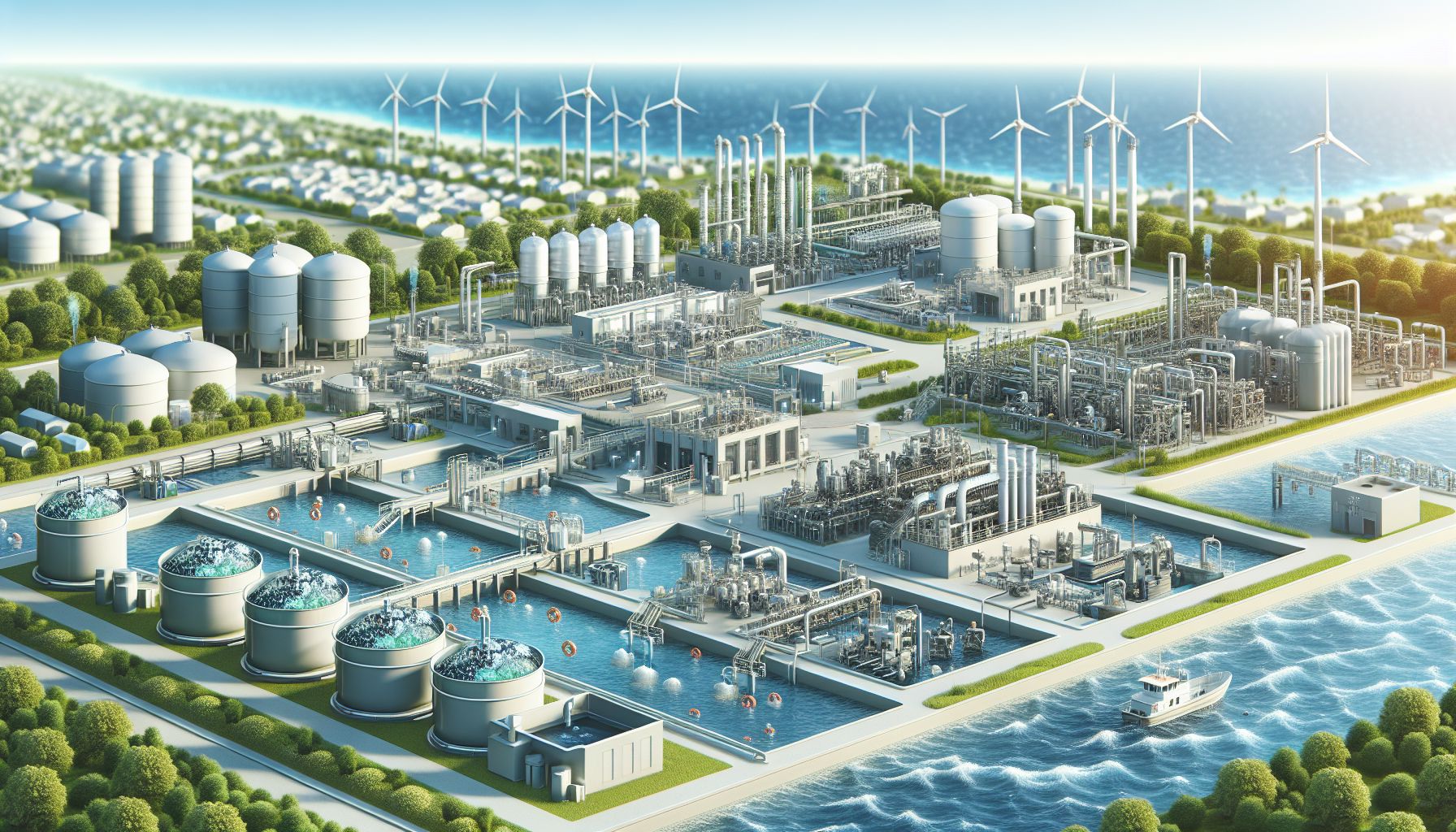
Advanced wastewater treatment solutions for food processing industry

The proper management of wastewater in the food processing industry is crucial, not only for regulatory compliance but also for the sustainability of business operations and environmental preservation. As the food industry continues to innovate, so does the technology for wastewater treatment. Tonight, let’s suspend disbelief and imagine we’re deep in the bowels of a bustling factory. Tongue to teeth, let’s discuss advanced solutions for managing wastewater in the food processing industry.

The Unique Challenge of Wastewater in Food Processing

The food processing industry creates a vast amount of wastewater rife with organic material and nutrients. Depending upon the type and source of food product, the wastewater can also contain fats, oils, and greases, suspended solids, and substantial levels of biological oxygen demand (BOD) and chemical oxygen demand (COD). Removal of these elements is necessary before the water can be safely discharged into local waterways or reused within the plant.

Primary Treatment Technologies in Use

Much of the treatment is achieved via primary and secondary treatments. Primary treatment targets larger particles through physical processes such as screening, sedimentation, and flotation. It leads to a reduction of up to 60% of the solids and 35% BOD.

Meanwhile, secondary treatment includes the implementation of biological processes to decrease the remaining pollutants. This step can help remove up to 85% of the remaining BOD and COD.

The third approach involves advanced or tertiary wastewater treatment, which is gaining traction in many food processing plants for its advanced treatment capabilities and the potential for making industrial operations ‘greener.’

The Rise of Advanced Treatment Solutions

Advanced wastewater treatment is an additional step beyond using traditional biological processes and mainly targets the removal of nutrients (nitrogen and phosphorus), heavy metals, or micropollutants in the wastewater.

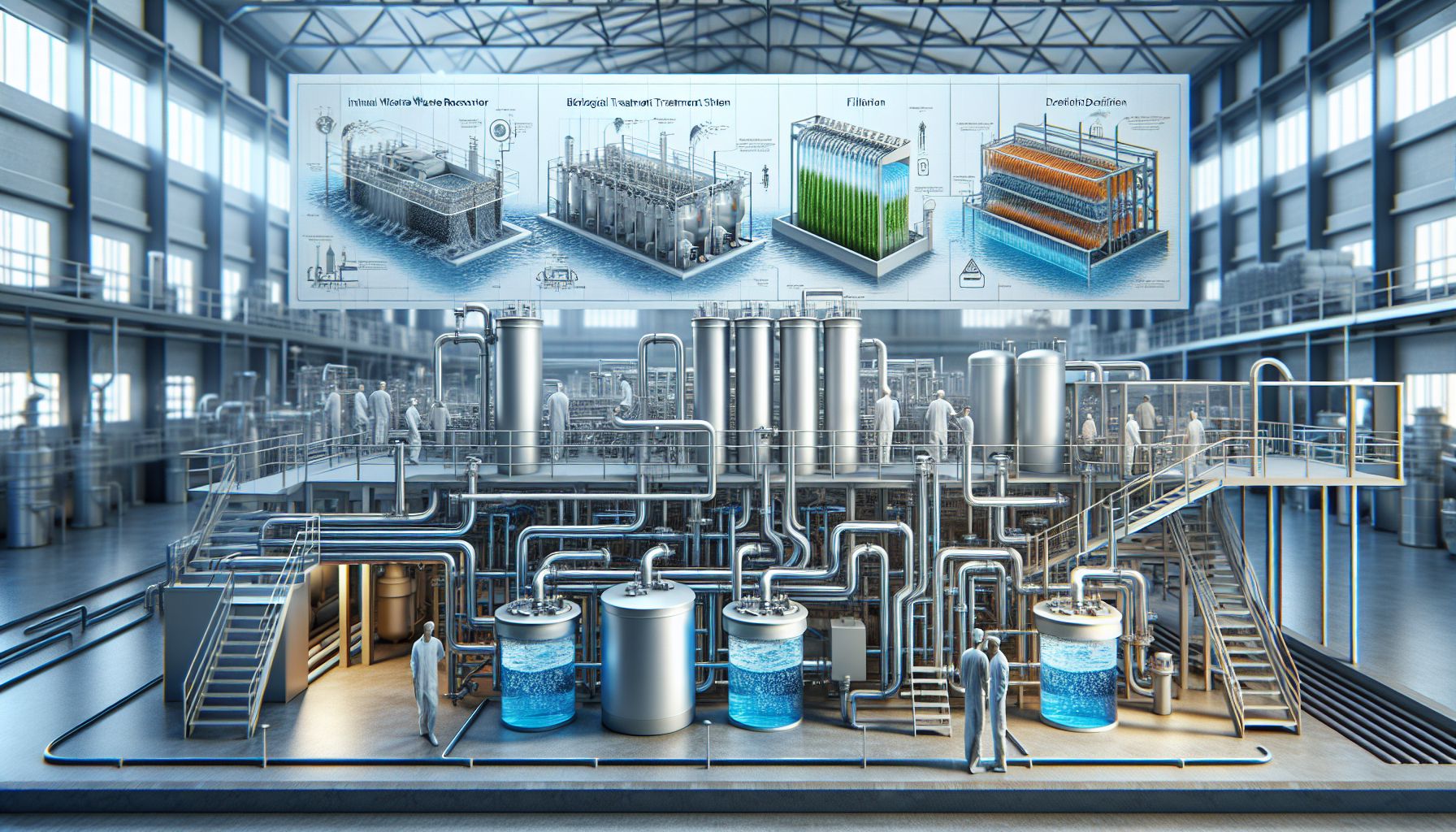
This is where technologies like membrane bioreactors (MBRs), ultrafiltration (UF), ultraviolet (UV) disinfection, and reverse osmosis (RO) come to the fore. These technologies represent a quantum leap in the wastewater treatment food industry.

For instance, MBR technology is a combination of a membrane process like microfiltration or ultrafiltration with a suspended growth bioreactor. If you’re itching for more technical details about how it works, you might find this resource worth the read.
Advanced Treatment

Additionally, UV disinfection is a physical process that inactivates pathogens in the water without the addition of any chemicals. UF, a type of membrane filtration, removes suspended solids and other large particles from wastewater. Lastly, RO offers a robust, chemical-free way to remove dissolved salts and contaminants from the wastewater, rendering it suitable for reuse.

The Potential for Water Reuse

What’s more, advanced wastewater treatment solutions can play a significant role in water conservation efforts. The Perrier Vittel Group, for example, uses RO systems to treat and recycle rinse water at its bottling plants in France [^1^]. By reusing treated wastewater, food processing companies can not only reduce their water consumption but also reduce the volume of contaminated water discharged into the environment.

The Role of Regulation in Advancing Solutions

Stringent regulatory frameworks play a large role in the adoption of advanced wastewater treatment technologies. Government rules and regulations, such as those imposed by the US Environmental Protection Agency (EPA), typically require food processors to implement pre-treatment processes before discharging their wastewater into municipal sewers.

And yet, are we not left with something to chew on here? Could it be that regulation, while often seen as a burden, could also be a catalyst for positive change and innovation in the industry? As regulations become more rigorous, it’s likely that the need for advanced wastewater treatment technologies will only continue to increase.

Conclusion

As we ascend from the factory floor, it becomes clear that the food processing industry’s approach to wastewater treatment is no mere afterthought. It is a complex, innovative field that touches on everything from regulations to the wise stewardship of our resources. The adoption of advanced wastewater treatment technologies is ultimately a win-win situation for both food processing companies and the environment.

[^1^]: Perrier Vittel. (2022). Reverse Osmosis systems. Perrier Vittel Group.
Wastewater treatment plant operations and monitoring

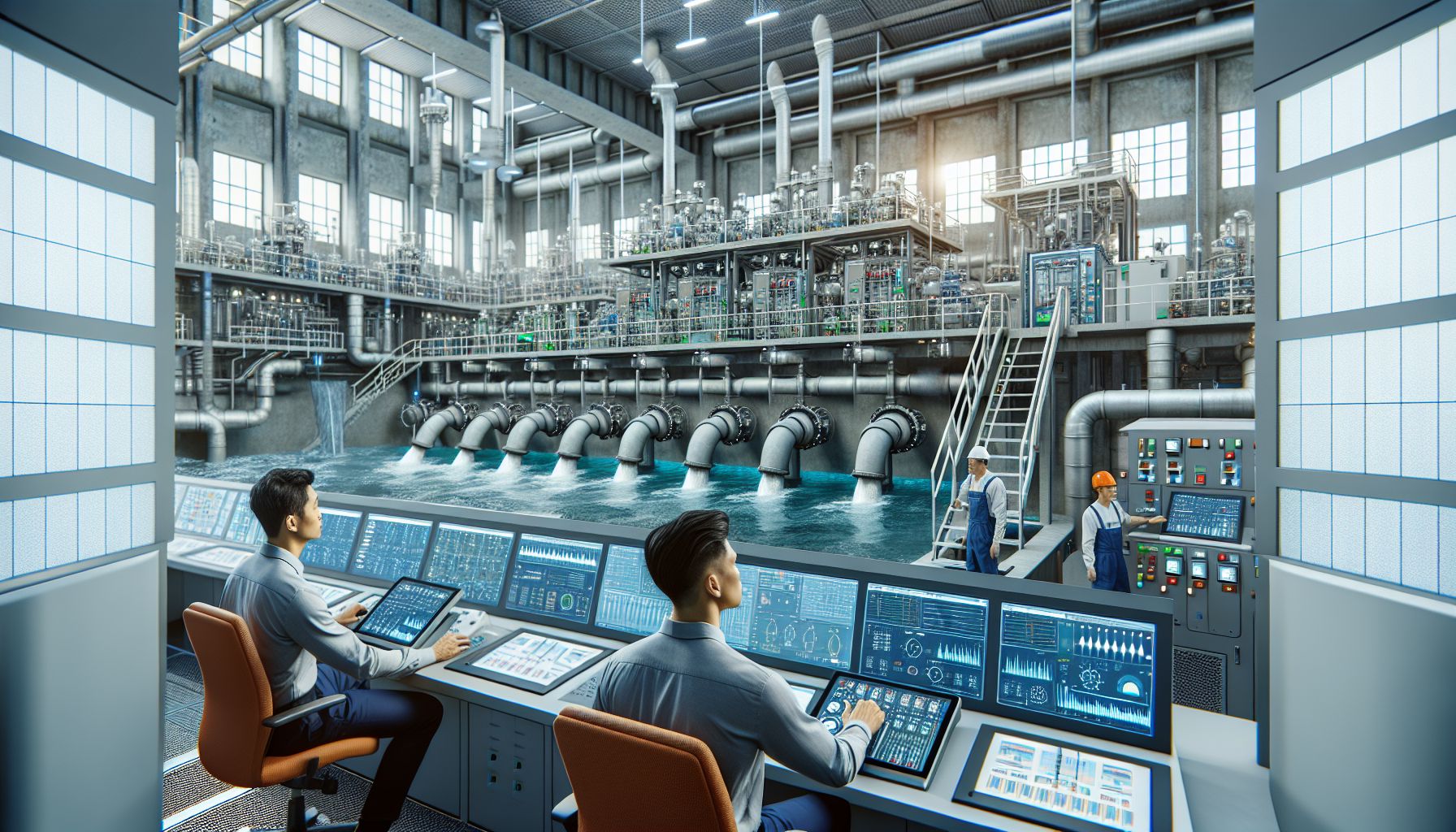
Successfully managing a wastewater treatment plant can be likened to conducting a symphony of interrelated processes. The operator needs to deftly manipulate each part of the procedure to create a perfect harmony of clean effluents, while maintaining ecological standards. It’s no small task. After all, did you know that a standard wastewater treatment plant processes millions of liters of sewage every day? Hence, a comprehensive understanding of its operations and monitoring is crucial.

The Core Processes of Wastewater Treatment

At their heart, wastewater treatment plants deal with biological process management. They leverage naturally occurring microbes to break down organic waste substrates. Sounds simple enough, but the devil lies in the details, right?

The primary treatment step involves mechanical screening to remove large debris, followed by sedimentation. This process removes around 60% of the suspended solids and 35% of Biological Oxygen Demand (BOD) using simple physical processes. Now, these numbers might not seem impressive to you. Why not deploy a more effective method straight away, you might ask? Well, simple physical processes are cost-effective and crucial to preventing clogs, blockages, and damage to downstream equipment.

The secondary treatment employs biological processes to remove organic matter. Here the sewage is mixed with microbes that feed on the organic waste. The ‘activated sludge’ method is one of the most commonly used secondary treatment processes. This method involves the creation and management of a microbial flock that feeds on the organic waste to reduce it. However, controlling these biological processes is complex, requiring both art and science in equal measure.

Tertiary treatment, the final stage, ensures the removal of residual organic matter, harmful microbes, and nutrients like nitrogen and phosphorus. It can involve chemical treatment, filtration, or advanced disinfection methods like UV irradiation.

Monitoring the Operations

Smart monitoring underlies the successful operation of a wastewater treatment plant. It primarily includes the surveillance of two areas – process parameters and effluent quality.

When it comes to process-related monitoring, parameters like BOD, pH, temperature, and dissolved oxygen must be kept in check. Reliable and accurate data in these areas can determine the overall operational efficiency of the plant. For instance, BOD levels, a fundamental parameter, signify the amount of organic matter present, indicating the efficiency of the biological treatment. Low BOD in the final effluent is a positive sign.

Monitoring the quality of the effluent is another critical facet. This involves testing for undesirable components that can harm either human health or the environment. This is where the Environmental Protection Agency (EPA) stipulations come into play. The EPA sets maximum contamination levels for numerous pollutants to safeguard our water bodies. Regular effluent sampling and testing are crucial to ensure compliance with these standards.

However, beyond these regular checks, maintaining operational efficiency also necessitates a keen observation of unexpected changes, peculiar patterns, and small red flags.

The IWA water treatment resources provide insightful guidance on advanced monitoring approaches, including the use of predictive analytics and machine learning. These advanced tools are becoming more prevalent as they offer an intelligent way to optimize plant performance and minimize operational costs.

Wastewater Treatment

Integrating Automation in Wastewater Treatment

The reality of modern wastewater treatment is that operators can no longer afford to rely solely on manual observation and controls. The complexity of processes and the scale of operations demand a more advanced approach. And that’s where automation comes into play.

Automated control systems can manage complex treatment processes efficiently, ensuring the consistent quality of the treated water. In essence, automation serves as the conductor of our symphony, controlling every note from beginning to end, thereby freeing up operators to focus on other essential tasks.

Moreover, it allows operators to respond promptly to potential issues. For instance, a sudden spike in BOD levels may indicate a problem with the biological treatment process, and the automated system can alert operators to take immediate corrective measures.

The Legal and Environmental Aspect

Beyond the technicalities of running the plant, operators should also be well-versed in legal and environmental aspects. They need to be familiar with local and international regulations governing wastewater treatment. Regular audits and inspections are part of the game, with fines levied for non-compliance. This regulatory landscape adds another layer of complexity to the operation and monitoring of treatment plants, necessitating robust compliance strategies.

Going hand in hand with regulatory compliance is the commitment towards reducing environmental impact, as operations should align with best practices for resource conservation and waste reduction.

The Future of Wastewater Treatment Plant Operations

What does the future hold for wastewater treatment operations and monitoring? Much like other sectors, the industry is poised to be dramatically reshaped by advances in technology.

The adoption of Industry 4.0 technologies, such as the Internet of Things (IoT), big data analytics, and artificial intelligence, will transform traditional operations, enabling higher levels of efficiency and accuracy.

So, are you ready to embrace this rapidly evolving landscape of wastewater treatment? Bear in mind that mastering the complexities of plant operations and monitoring calls for an intricate blend of technical expertise, practical experience, and strategic thinking. Hence, continuous learning and upskilling are sure to be the order of the day for every successful wastewater treatment professional in the years to come.

Comprehensive water and wastewater treatment resources

Water and wastewater treatment is an essential service that protects public health and the environment. However, it’s a complex field that’s laden with technical jargon and intricate procedures. This guide helps break down these complexities, providing clear and practical insights into important aspects of water and wastewater treatment. Let’s dive in, shall we?

The Basics of Water Treatment

Water treatment is a several-step process aimed at reducing or eliminating various contaminants in water. It’s a critical process, because while the human body can handle some level of impurities, certain contaminants can bring severe health risks.

The first step, coagulation and flocculation, involves usage of chemicals that bind contaminants creating larger particles, called floc. Sedimentation then allows for the separation of these particles. In the filtration step, water flows through various filtration systems to remove any small particles and contaminants not captured by the previous steps. Finally, disinfection ensures any lingering toxins or pathogens are neutralized.

Are you wondering where you can access more detailed, real-time information on water treatment processes? A brilliant resource is water and wastewater, a website chock-full of various facets of water and wastewater treatment.

A Deep Dive into Wastewater Treatment

Wastewater treatment follows a somewhat similar process but tends to be slightly more complicated, due to the nature and variety of pollutants involved.

The preliminary stage, also known as screening, involves removing larger objects in the water, such as rags and plastic bottles. In the primary treatment stage, settling tanks are utilized to allow the separation of heavy particles, which then form sludge at the bottom.

Secondary treatment is where things get a bit more technical, with the usage of biochemical reactions to break down biodegradable organics. The final stage is tertiary treatment, also known as advanced treatment, designed to remove stubborn pollutants not eliminated in the previous stages.

The Significance of Testing in Water and Wastewater Treatment

To ensure the effectiveness of treatment processes, testing plays a crucial role. Various types of testing, including routine and non-routine, are conducted. Some crucial parameters to test include pH, chemical oxygen demand, biochemical oxygen demand, and turbidity. What’s more, testing for specific pollutants, such as lead, arsenic, or nitrates, may be necessary depending on geographical location or specific industrial activities.

Here’s an interesting fact: a report by the Water Research Foundation (2013) indicates that the US alone conducts approximately 330 million water quality tests annually! Quite staggering, isn’t it?

Technological Innovations in Water and Wastewater Treatment

In this age of rapid technological advancements, even the water and wastewater treatment sector is not left behind. Technologies such as smart water networks and advanced filtration systems promise to revolutionize the sector.

Smart water networks utilize real-time information and communication technologies to improve operational efficiency and customer service. They offer numerous benefits, including leak detection, remote meter reading, and enhanced system control.

On the other hand, advanced filtration systems, such as membrane bioreactors, provide superior pollutant removal than conventional treatments systems. They offer higher effluent quality and lower environmental impacts.

The Future of Water and Wastewater Treatment

As the global population increases and pollution continues to rise, effective water and wastewater treatment will become even more critical. Climate change, too, is expected to exacerbate water scarcity and necessitate efficient treatment and reuse of water resources.

Looking into the future, some anticipate that wastewater will be considered more as a resource than a waste. This view aligns with the emerging concept of the circular economy, seeking to recover valuable components, like nutrients and energy, within the wastewater instead of merely discarding it.

What’s more, treatment plants are expected to become more energy-efficient, potentially transforming into net energy producers instead of consumers. Exciting times ahead, indeed!

In Conclusion

Water and wastewater treatment is a fascinating world, filled with both challenges and opportunities. This expert guide hopefully sheds some light on its complexity while illustrating its importance. It’s a field that is constantly evolving, driven by necessity and innovation. So, let’s keep exploring, shall we? Our health and the health of our planet depend on it!

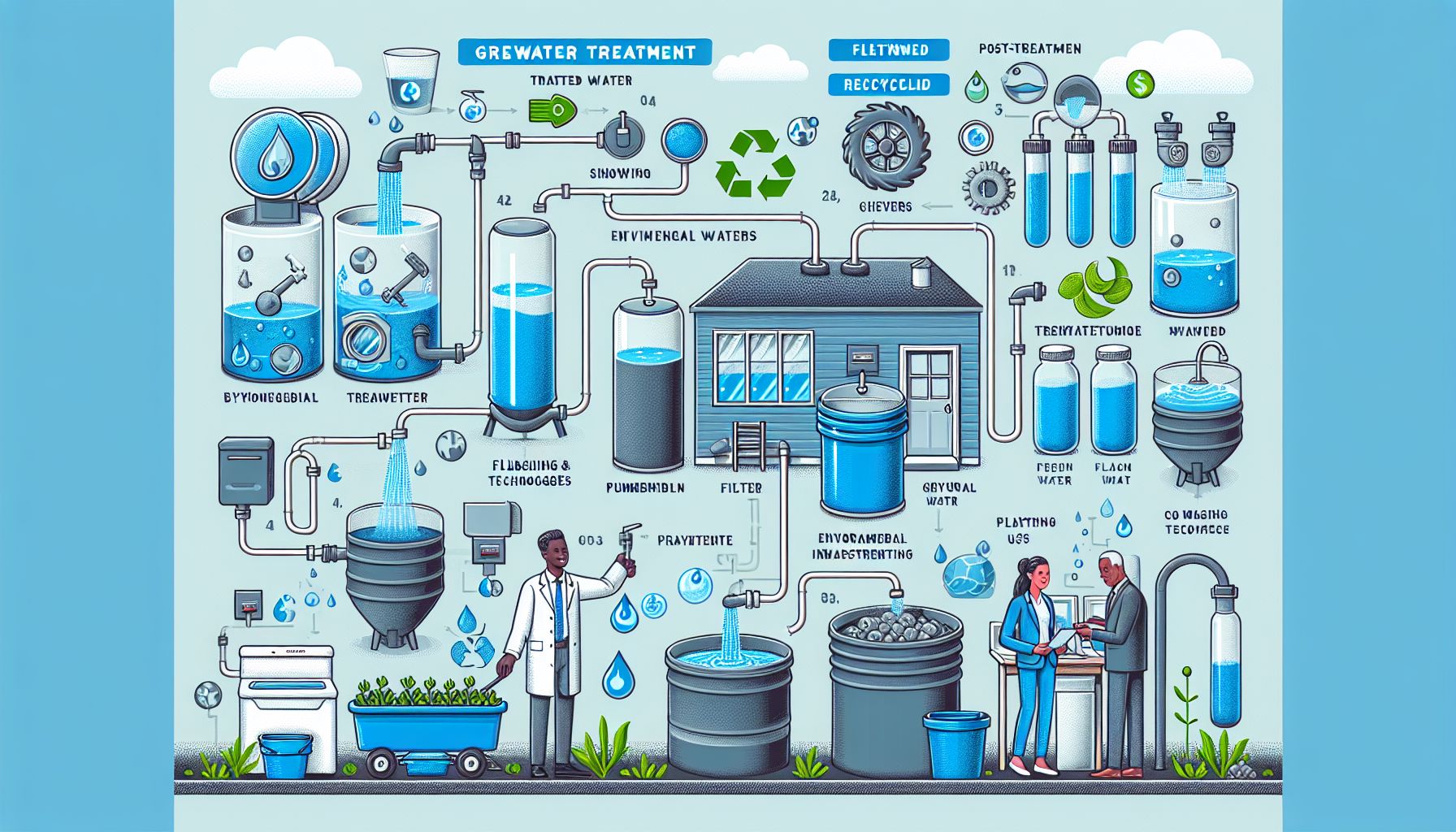
Greywater treatment and recycling technologies

The problem of water scarcity is not exactly breaking news. As natural freshwater reserves continue to diminish, there’s an urgent need to find alternative and sustainable ways to meet our water needs. Once such alternative is the adoption of greywater treatment and recycling technologies. Ever wondered how these systems work to provide a sustainable source of water? Let’s dive in and explore.

Understanding Greywater

First, it’s essential to know what we are talking about when referring to ‘greywater.’ It’s simply any domestic wastewater produced, excluding sewage. The key difference between ‘greywater’ and ‘blackwater’ (sewage) is that the former is easier to treat and recycle back into your home.

Greywater Treatment Technologies

Technology plays a central role in the treatment and recycling of greywater. To put it simply, these technologies aim to remove contaminants, making the water safe for reuse. Innovations in this field vary widely based on complexity and cost, and can be broadly classified into biological, chemical, and physical processes.

Biological Treatment Processes

Biological processes rely on bacteria, fungi, and other microorganisms to break down organic matter in greywater. These include treatments such as activated sludge, trickling filters, and constructed wetlands. Activated sludge and trickling filters are tech-intensive processes, requiring a significant degree of monitoring and control. In contrast, constructed wetlands are low-tech, replicating natural wetland processes to treat greywater.

Chemical Treatment Processes

In chemical treatment processes, chemical agents are added to greywater to trigger reactions that detoxify harmful substances. These processes can effectively remove pathogens and pollutants from greywater, but the treated water may require further treatment before it is suitable for reuse.

Physical Treatment Processes

Physical processes use mechanical or physical force to treat greywater. Techniques like filtration, flotation, sedimentation, and adsorption fall under this category. These processes can be relatively simple and cost-effective, but may not be entirely efficient in removing certain pollutants.

Some technologies combine elements of biological, chemical, and physical processes. For example, the Membrane Bioreactor (MBR) combines the activated sludge process with micro or ultrafiltration membranes, providing highly effective treatment.

Greywater Recycling Technologies

Once greywater undergoes treatment, recycling technologies come into play. The essence of recycling is reusing treated greywater for various applications such as toilet flushing, garden irrigation, and even laundry washing.

Let’s look at a real-world example of advancements in greywater recycling. The Pennsylvania water programs have embraced this solution, setting up strict standards for greywater reuse and encouraging building owners to integrate greywater systems into their premises.

The successful implementation of these programs signifies a bright future for greywater recycling technologies, with potential spreading well beyond Pennsylvania’s borders.

Factors Affecting the Selection of Greywater Treatment and Recycling Technologies

A variety of factors come into play when selecting an appropriate greywater treatment and recycling technology. These include the quality of the source greywater, intended use of the treated water, availability of space, local regulations, and budget constraints.

For instance, a household with a small yard might choose a compact, integrated system, while a larger commercial property might opt for a constructed wetland due to its scalability and lower operational costs.

The Future of Greywater Technologies

In light of our growing water scarcity issues, the significance of greywater tech promises to become even more apparent. We can expect a growth in technological innovation fueled by necessity and an emphasis on sustainability.

While novel tech will continue to emerge, so will regulatory frameworks. Researchers and policymakers worldwide are acknowledging the need for more comprehensive standards and regulation in greywater practices. As greywater treatment and recycling mature as an industry, what we can look forward to is further acceptance, standardization, and even potential subsidies to encourage wider adoption.

Greywater treatment and recycling aren’t just technological endeavors; they’re a societal shift – a step towards greater water responsibility and sustainability. As we grow more water-wise, the leap from looking at greywater as ‘waste’ to seeing it as a valuable resource isn’t too far off.

Conclusion

The path to sustainable water management must certainly include smart greywater practices. With the right mix of technologies and public consciousness, the greywater solution can go a long way in plugging the water scarcity gap. Surely, the current array of greywater treatment and recycling technologies provides great hope towards this end. Can we then imagine a future without stringent water shortages? With the right efforts, this isn’t beyond our reach.

Remember, when it comes to water, every drop counts – even if it’s grey.

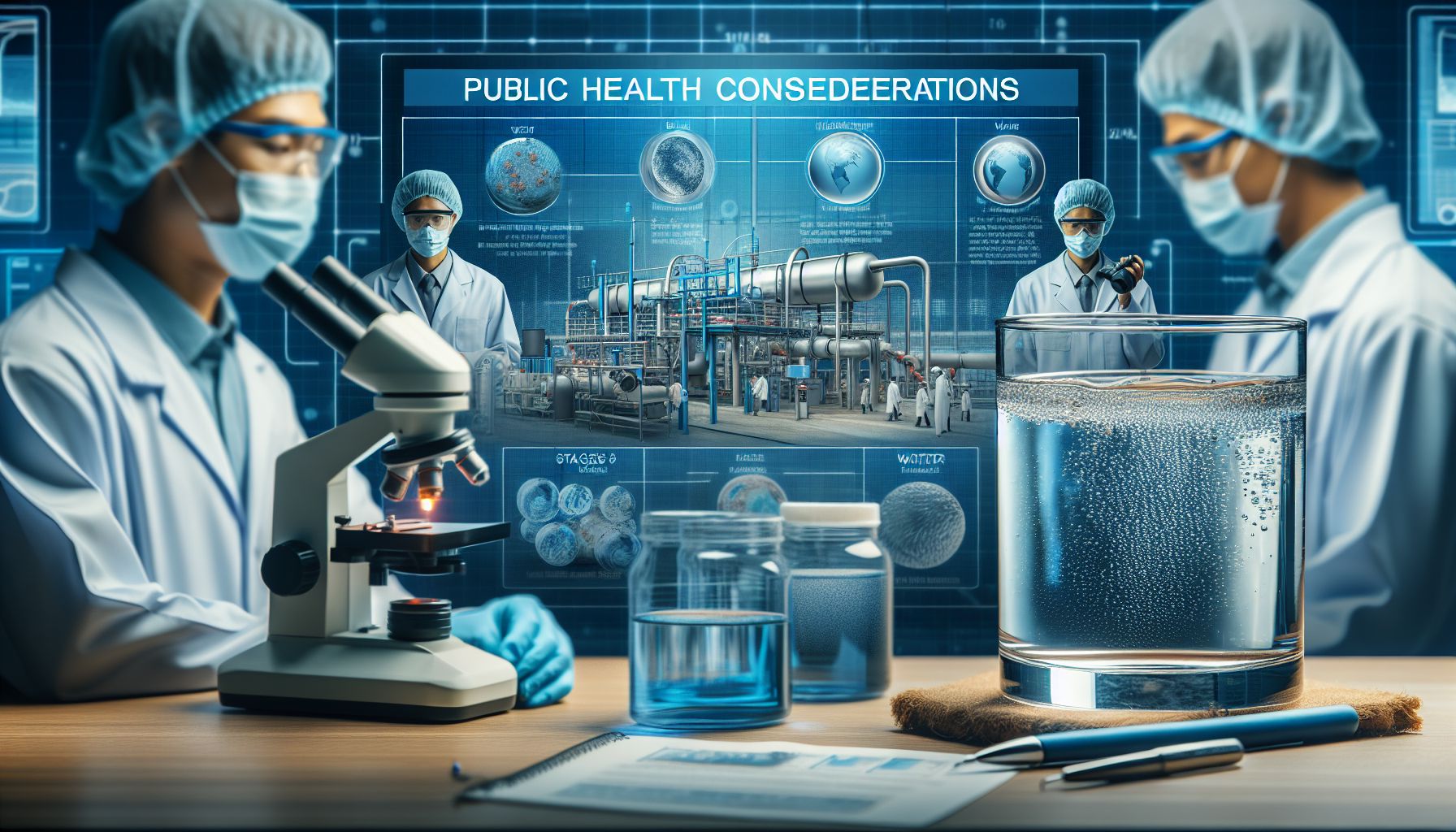
Public health considerations in water reuse programs

As cities continue to face the reality of dwindling freshwater sources, establishing effective water reuse programs becomes increasingly crucial. More than just a conservation strategy, water reuse can address the dual challenges of supply scarcity and environmental sustainability. But beyond these benefits, there lies an essential domain that requires critical focus – public health.

Water reuse, in essence, refers to the series of processes involved in treating and repurposing wastewater for non-potable uses such as irrigation, industrial cooling, and even indirectly augmenting potable water supplies. While this can evidently alleviate water supply strains, it also raises potential public health concerns. Falling short on addressing these risks may result in waterborne diseases, leading to pressing health and economic consequences.

Understanding these issues, let’s delve into the core public health considerations that underline successful water reuse strategies.

Water Quality Standards and Regulations

The first and perhaps most evident facet lies in maintaining stringent water quality standards. Adherence to these standards keeps the risk of exposing the public to harmful pathogens at bay. As stipulated in the CDC water quality guidance, various potential contaminants such as bacteria, viruses, or chemical pollutants must be controlled to ensure safe and effective water reuse.

Using advanced technology such as Membrane Bioreactor (MBR), ozonation, and UV disinfection, wastewater can be treated up to the required quality. Here’s a case in point – the City of San Diego’s Pure Water Program. Using a three-step advanced treatment process, the program aims to provide a third of the city’s water supply through water reuse by 2035.

Yet, while these technologies are instrumental, they surmount to little without robust regulations and guidelines to back them. Regular monitoring for pollutants and rigorous testing procedures should be implemented to ensure that reused water meets or surpasses set health and safety standards.

Community Engagement and Education

Educating the public about the safety and benefits of reused water is just as important as the technical aspect. Without public acceptance and understanding, even the best-designed water reuse programs can fail to achieve their objectives. A classic example lies in Toowoomba, Australia, where despite the safety assurances, public rejection led to the failure of a proposed water reuse program.

Outreach and education can dispel the common ‘yuck’ factor associated with using treated wastewater. Do you know that astronauts on the International Space Station drink water recycled from their urine? Perceptions can largely be molded through effective communication and proactive engagement, especially addressing the issues of taste and odor associated with reused water.

Risk Assessment and Management

Last but certainly not least, a robust risk assessment and management plan drastically reinforces the public health assurance of water reuse programs. Guess what? Even natural water sources aren’t completely free of contaminants; it’s about managing the risks rather than eliminating them entirely.

A comprehensive risk assessment should include the potential hazards and the likeliness of their occurrence. Identified risks then need to be appropriately managed through preventive measures such as enhanced treatment processes or stringent monitoring systems. Remember, forewarned is forearmed.

The Melbourne Water’s Eastern Treatment Plant application of the ‘Hazard Analysis Critical Control Point’ approach serves as an epochal illustration of success. This framework identifies potential risks, establishes critical control points, sets targets, and implements systems for continual verification and update.

Looking Forward: The Future of Water Reuse

Water reuse programs promise a sustainable future. Ensuring their successful implementation and public acceptance, however, will require rigorous adherence to health and safety standards, ongoing public education, and robust risk management. The hope resides not just in technological advancements but also in embracing societal, political, and yes, personal change towards a more sustainable and health-conscious future.

Ultimately, a safe water supply isn’t just about quantity; quality is equally vital, if not more. Now, isn’t it high time we brace ourselves for the future with effective water reuse strategies that prioritize public health considerations?

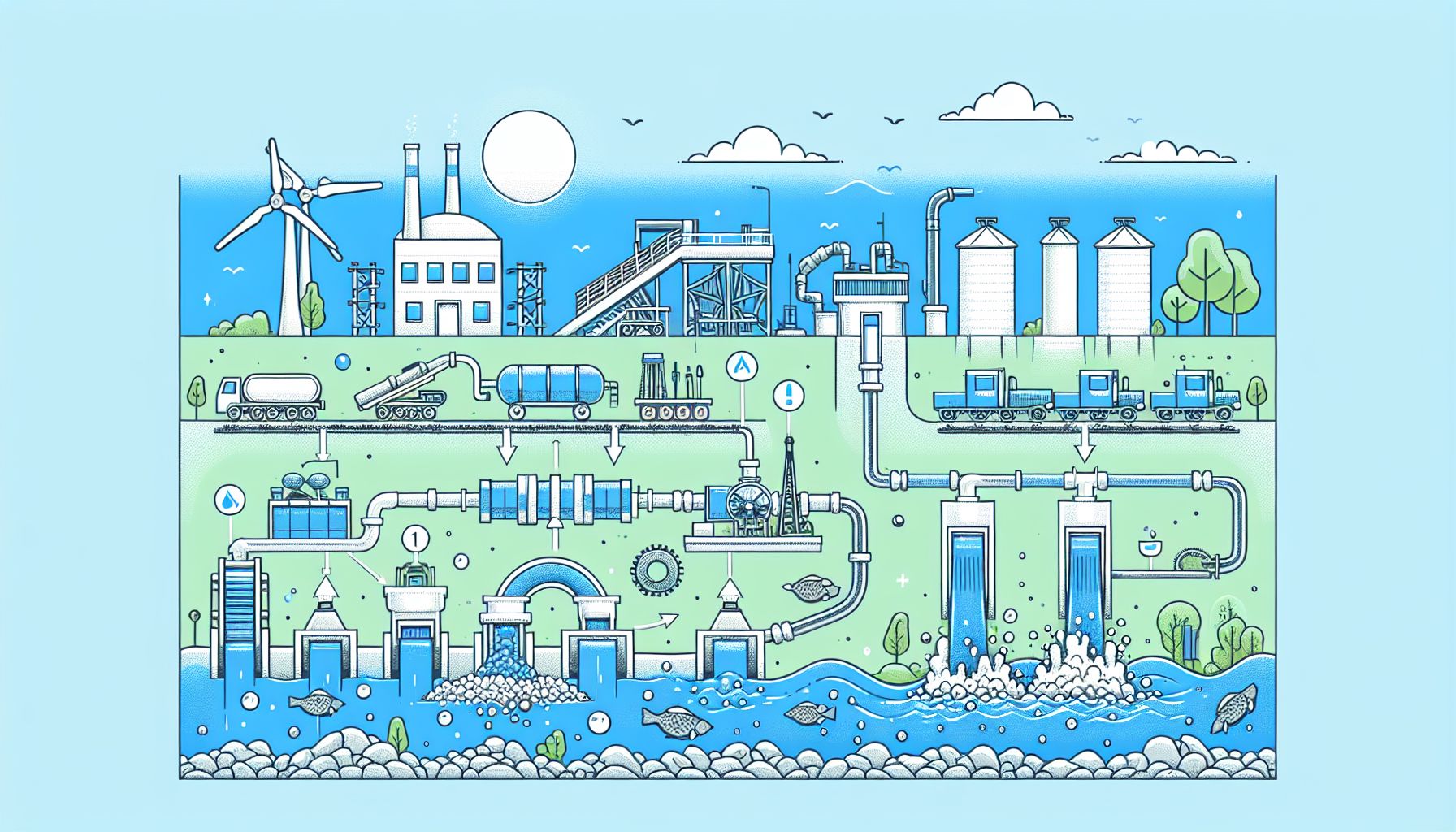
Understanding non-potable water in wastewater treatment systems

When it comes to managing our water resources, the divide between potable and non-potable water is critical. You might be wondering, “What’s the big deal about non-potable water in wastewater treatment systems?” Well, despite not being suitable for direct human consumption, non-potable water plays a significant role in our daily lives and the broader environment. So, let’s walk through this topic, breaking down the complex processes involved, the risks, and the multitude of treatment methods.

What’s the Big Deal about Non-Potable Water?

Simply put, non-potable water isn’t safe for people to guzzle down or use in cooking. This is due to the potential presence of contaminants, including organic and inorganic materials, harmful bacteria, and other microscopic pathogens. However, this doesn’t mean the end of its usefulness! Non-potable water is routinely deployed for a variety of purposes such as irrigation, fire suppression, and industrial cooling, which diversifies our water supply use.

But here’s the thing: before we can utilize this water for non-drinking purposes, it must be treated. The thrust of the matter is, we can’t afford to overlook the potential risks associated with poorly treated non-potable water, which could lead to environmental damage, along with health hazards for both people and animals.

Now, don’t you think the proper treatment of non-potable water is vital? That’s where wastewater treatment systems come in, working tirelessly to ensure that this water is safe for its intended uses.

Inside the Wastewater Treatment Systems

Wastewater treatment systems are like busy, industrial-scale cleaners filtering and processing water that has been used in households, industries, and municipalities. After an initial screening process to remove large debris, the journey of the so-called “dirty” water begins.

A key pitstop in this process is the primary treatment stage, where sedimentation tanks are used to allow solid particles to settle at the bottom. What’s left is mainly liquid, but don’t be deceived – there’s still a fair amount of work to be done!

The secondary treatment stage employs biological processes to eliminate dissolved organic matter. For added detail, it leverages beneficial bacteria known as Activated Sludge which feeds on organic waste in the water, substantially reducing the level of harmful pollutants.

In the analysis and study of non-potable water in wastewater treatment, it’s identified that tertiary treatment is utilized for further purification. This phase can involve a variety of processes, including filtration, UV disinfection, and chlorination to ensure the water meets the standards for its intended use.

Even though this seems like a conclusion point, we can’t ignore the possibility of additional treatment. Advanced or quaternary treatment, though not always required, may involve processes to remove specific contaminants, such as nutrients or toxic compounds.

So, can you see? Wastewater treatment systems are not a one-size-fits-all operation but rather an intricate ballet of physical, chemical and biological methods, designed to ensure non-potable water is safe for intended purposes.

wastewater treatment

Risks and Challenges

Treating non-potable water isn’t without its challenges. For instance, filtering out potent pharmaceutical residues that resist traditional wastewater treatment techniques poses a challenge. Likewise, the ubiquitous microplastics, though minute, are a huge headache for wastewater treatment systems. There’s also the matter of controlling the release of greenhouse gases during the treatment process.

The World Health Organization (WHO) has set guidelines to limit the health risks associated with non-potable reuse such as adopting risk assessment methods, setting performance targets for wastewater treatment, and developing ongoing monitoring systems. This provides a safety net, ensuring that the treated non-potable water is safe for its proposed uses.

Future Outlook

The future of non-potable water in wastewater treatment systems looks promising, marked by continual improvement and innovation. Advanced treatment technologies like osmosis membranes and nano filtration are making a splash. There is also an increased focus on energy-efficient wastewater treatment processes, with some plants even generating their power!

The Last Word

The science behind treating non-potable water in wastewater systems is truly fascinating – a fine balance of complex processes to ensure every drop of water can serve a purpose, safely. Yes, there are challenges, yet the way forward is marked by progressive solutions and innovations that make it a continually evolving field.

So, the next time you see that sprinkler nourishing a public garden or watch a cooling tower at work, consider the remarkable journey the non-potable water has been through, courtesy of our underrated wastewater treatment systems. After all, in the world of water management, no drop should go to waste.